
Leica M Cameras: Love, Frustration, and the Truth After Real Use
Leica M cameras have been part of my work for years. I’ve used them across assignments, personal projects, and situations where getting the shot actually matters. This isn’t a technical review. It’s a look at what it’s really like to rely on them over time.
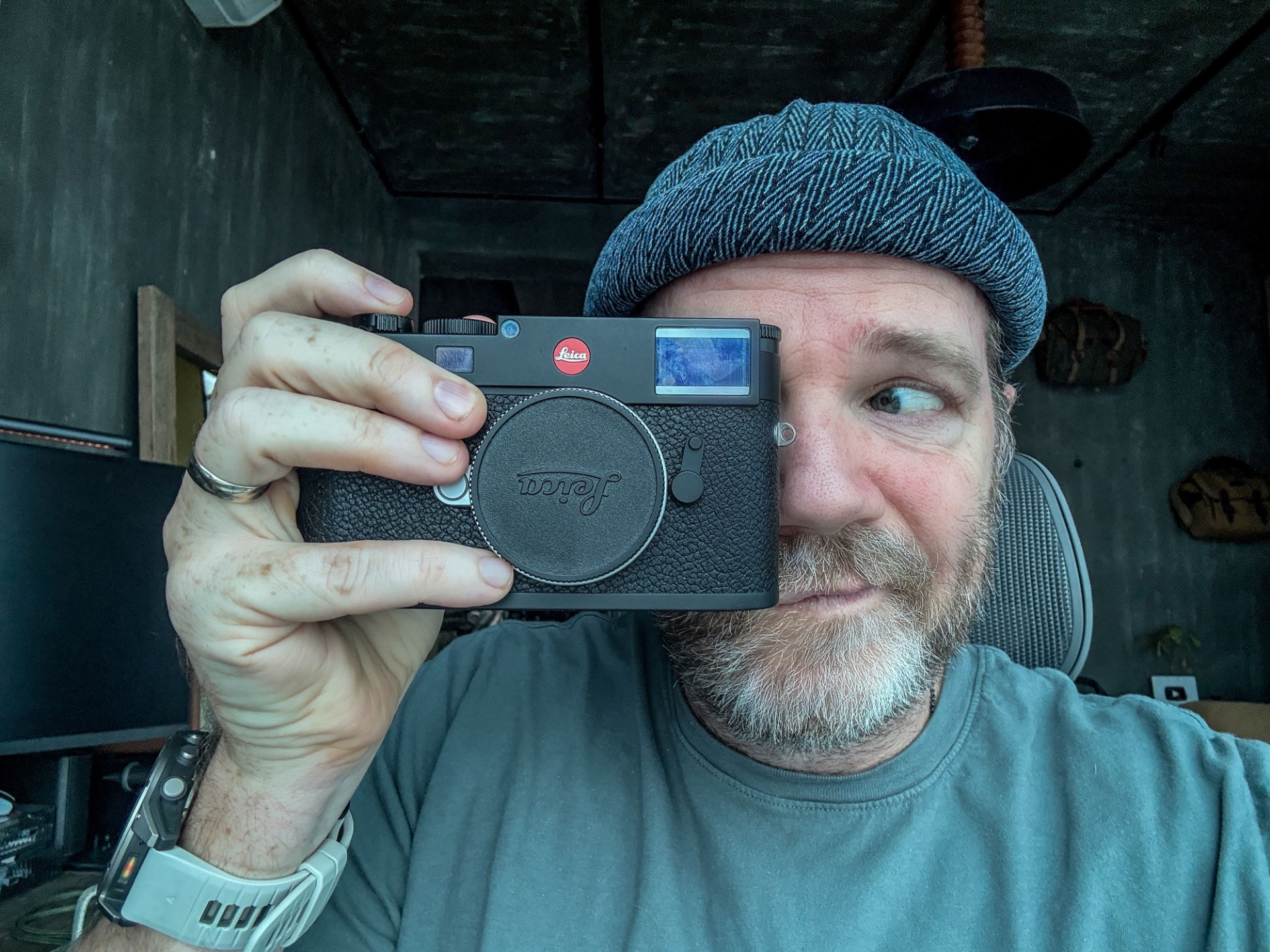
I’ve used Leica M cameras for years across assignments, personal work, and situations where missing the shot isn’t an option. These aren’t cameras I’ve only taken out for casual shooting or the occasional walk. I’ve relied on them when the pressure is real, when access is limited, and when the expectation is to come back with something usable. That context matters, because this isn’t a technical review. It’s just what it’s actually been like to use them over time.
The experience hasn’t been perfect. In fact, it’s been far from it. Over the years I’ve owned multiple M bodies, and most of them have had issues that required repair. Not small quirks you can ignore, but real problems that interrupted use and forced downtime. At this level, and at this price, that’s hard to justify. You start to question whether the experience matches the expectation.
One of the more frustrating situations happened in Kenya while I was working on a personal project photographing orphaned elephants. Access was limited, I had a very short window, and a lot invested in making the trip happen. I was using the M10D, and at one point it just stopped working. No warning, no clear reason, just completely unresponsive when I needed it. Later I found out it was tied to how the SD card had been formatted on another camera, and the workaround was to dedicate cards or reformat them in a very specific way. That might sound manageable in theory, but in the field it’s not something you should be dealing with, especially on a camera like this.
It didn’t stop there. I picked up a pre-owned M10 as a backup, thinking I was covering myself properly, and a few months in it developed a focus alignment issue that required sending it back to Germany. That process took months, and during that time I started to notice something else. I was making excuses for the camera. Looking back, that’s something I see often with Leica users. There’s a tendency to overlook problems because of everything the system represents.
When the M11 came out, I decided to give it another proper chance. I wanted to simplify things and lean more into the M system, even for professional work. I took it on a job in Cambodia and very quickly realized the same issue was still there. The trust just wasn’t solid. There were moments where I would press the shutter and nothing would happen, or it would fire late, or skip frames entirely. On an assignment, that’s not just frustrating, it pulls you out of the moment. You start thinking about the camera instead of what’s happening in front of you. I had a backup with me, so I was able to finish the job, but that’s not really the point. You shouldn’t need a backup because you don’t trust your primary camera.
What’s interesting is that you don’t hear much of this. A lot of content around Leica is overwhelmingly positive, and I think part of that comes down to how the cameras are used. Most people aren’t putting them through sustained, demanding situations where these issues show up. Casual use is very different from relying on something professionally. The other part is less comfortable to talk about. Access, relationships, and brand perception all play a role in how openly people are willing to critique the system.
At the same time, there’s a reason I keep coming back to Leica. There is something genuinely different about these cameras. The design, the simplicity, the way they feel to use, and especially the lenses. There’s a certain rendering and shooting experience that’s hard to replicate. It slows you down in a way that can be beneficial, especially for personal work or situations where you want to be more intentional. It feels closer to film without the limitations of actually shooting film.
So where does that leave me. Somewhere in the middle. I still use Leica, and I still appreciate what it offers, but I don’t fully trust it for critical, paid work. For that, I rely on systems that have proven themselves over time, cameras I’ve pushed hard without failure. That reliability matters when your reputation is tied to the result.
This isn’t about hating Leica, and it’s not about blindly supporting it either. Both sides exist at the same time. There are things Leica does extremely well, and there are areas where it falls short, particularly when it comes to consistency and reliability under pressure.
I still have a real appreciation for what Leica represents, but it’s a more complicated relationship now. If you’re thinking about investing in the system, it’s worth understanding both sides of that, not just the idealized version that’s usually presented.